GTA III's 3D Revolution: Why It Still Matters in 2026
Twenty-five years after release, Grand Theft Auto III remains the foundational text of the modern open-world genre. Here's what it invented, what it perfected, and what every GTA since owes it.
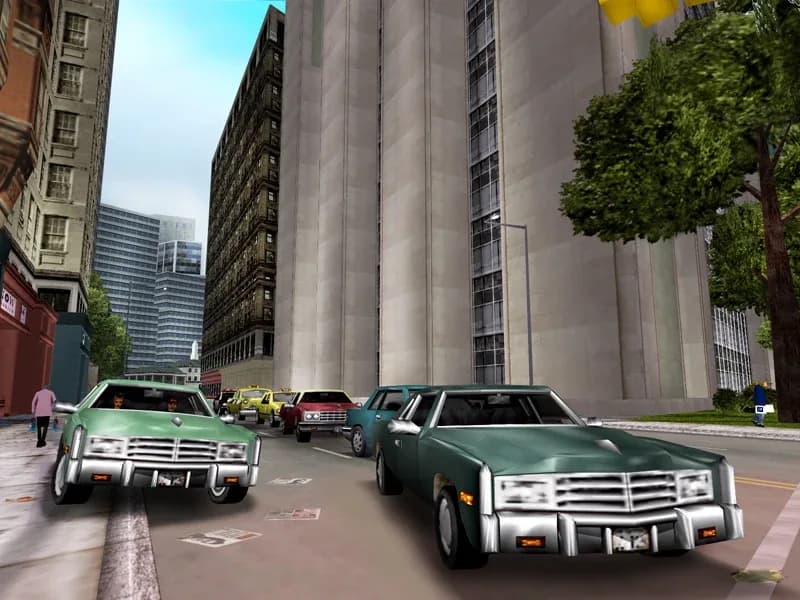
Released October 22, 2001 on PlayStation 2, Grand Theft Auto III is the game that invented the modern open-world genre. The 2D-era Grand Theft Auto (1997) and Grand Theft Auto 2 (1999) had pioneered the top-down crime sandbox, but it was the 3D-perspective III that turned the formula into a foundational text.
Below: what GTA III invented, what it perfected, and what every later open-world game owes it.
What GTA III invented
- The free-roam 3D crime sandbox. Drive any car, walk anywhere, kill anyone, with consequences via the wanted system — in 3D. This combination didn't exist as a polished, commercial product before October 2001.
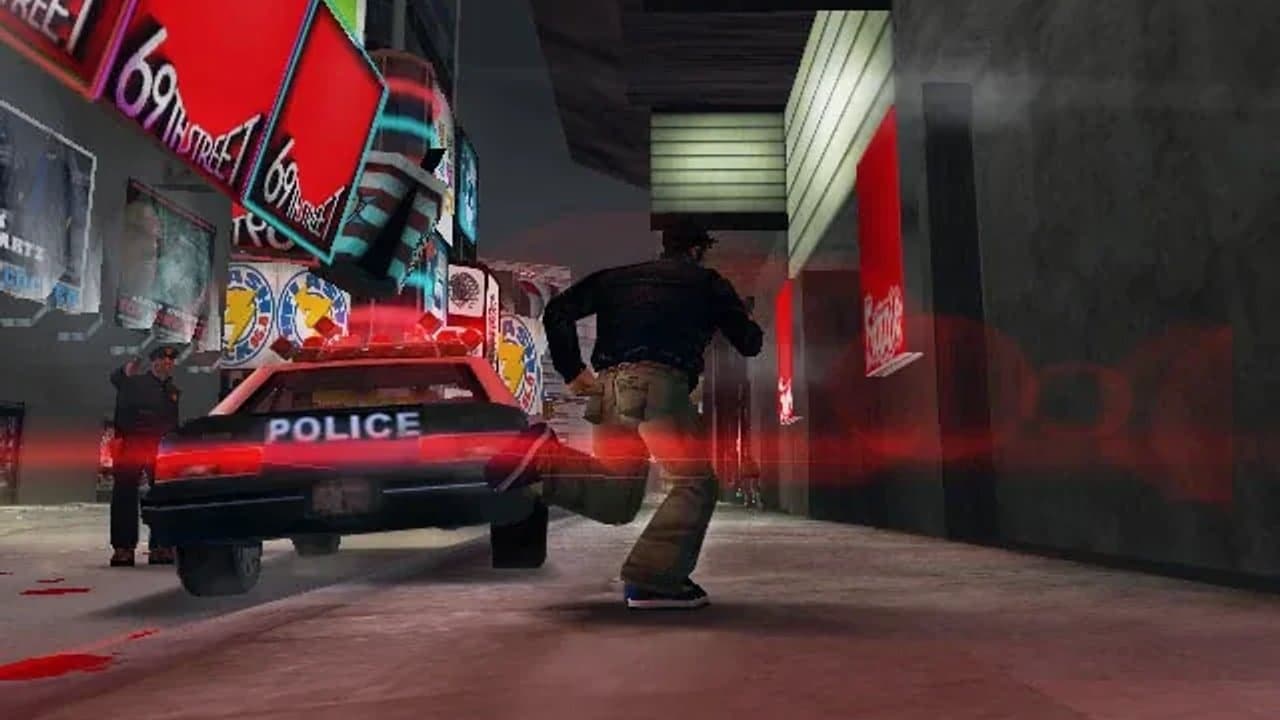
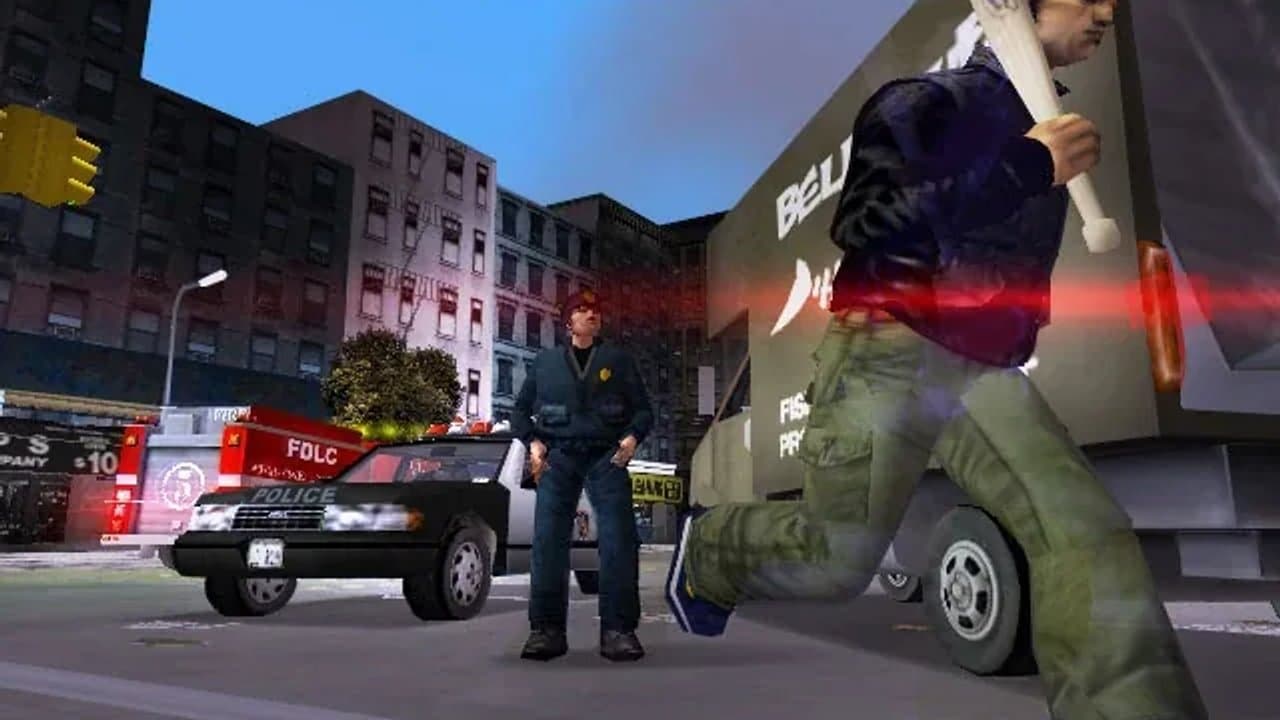
- The wanted-level pursuit system. Six tiers of police response, escalating from patrol cars to FBI to military. Every later GTA — and a generation of imitators — copied this exact system.
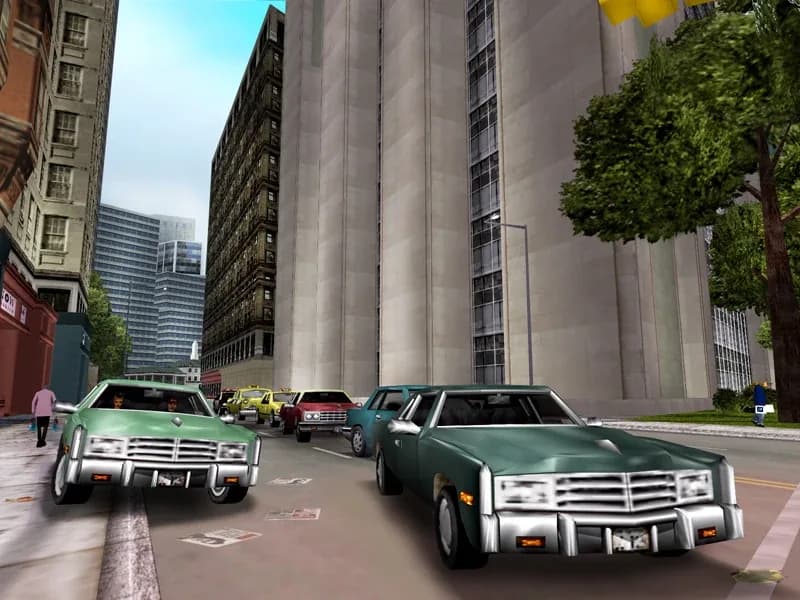
- Multi-zone city geography with story-gated bridges. The three islands unlock in story order, with bridges as physical lock mechanisms.
- Radio as a defining audio identity. Nine music stations + Chatterbox FM established the radio-as-tone convention that every later Rockstar title uses.
- Cinematic mission framing. Cutscene introductions, voice-acted supporting cast, three-act narrative structure — all standard now, all novel in 2001.
What it perfected from earlier games
- The wanted-level system existed in 2D-GTA but was simpler. III's six-tier system with distinct response types (patrol → highway patrol → FBI → military) became the template.
- Mission contract structure. 2D-GTA had contract missions; III gave them voice-acted briefings, cinematic introductions, and proper protagonist-employer relationships.
- Driving physics with weight. 2D-GTA's vehicles were arcade-tight; III's were heavier, more realistic, with body-roll and suspension. The driving-feel template that every later GTA refines.
What it didn't have
A useful list, because GTA III's omissions reveal what later games would add:
- No motorcycles (debuts in Vice City, 2002)
- No bicycles (debuts in San Andreas, 2004)
- No real aircraft beyond the broken Dodo (helicopters were patched in PC version)
- No customisation (paint shop debuts in San Andreas)
- No swimming (Claude drowns instantly on water contact; swimming debuts in San Andreas)
- No food / hunger / fitness systems (debut in San Andreas)
- No cellphone (debuts in GTA IV, 2008)
- No internet (debuts in IV)
- No multiplayer (debuts in IV, then expanded into the GTA Online juggernaut)
- No protagonist voice (still doesn't have one, retroactively unique to GTA III)
Cultural impact
GTA III sold ~17 million copies on PS2, PC, and Xbox combined. It topped charts on every platform. It generated immediate moral-panic backlash (Senator Joe Lieberman, MADD, multiple US legislative attempts to restrict the game), most of which fizzled but established the political target Grand Theft Auto would carry for two decades.
It also single-handedly launched the open-world genre as a commercial category. Saints Row, Just Cause, Sleeping Dogs, Watch Dogs, Driver, Mafia, Sleeping Dogs, Saint's Row IV, Far Cry — every successful open-world franchise in the post-2001 era owes lineage to GTA III. The "GTA clone" derogation became a market reality because GTA III had created the genre other studios chased.
Where GTA III stands in 2026
In a 2026 retrospective, GTA III plays as a foundation rather than a destination. Compared to GTA V (2013, twelve years later), GTA III is:
- Smaller in map size (~3 sq km vs V's ~75 sq km)
- Smaller in mission count (~80 vs V's ~70 main + 100+ side; quantitatively similar but V's missions are vastly longer)
- Less mechanically rich in almost every dimension
- Tonally heavier — III is bleaker, less satirical, less self-aware than V or VI
- Significantly shorter — a focused playthrough is 18-25 hours vs V's 30+
But the foundational design choices — wanted system, multi-island geography, radio personality, cinematic missions, vehicle handling — are all here, identifiable, and surprisingly close to what GTA V refines a decade later.
Should you play it now?
If you're a GTA fan and you've never played GTA III: yes, absolutely. Two reasons:
- It's the canonical text. Understanding GTA III is understanding what every later GTA references.
- It's short. A focused playthrough is shorter than a single contemporary open-world campaign. You can finish in a long weekend.
The Definitive Edition (post-patch) is a fine way to play; the original PC version is the gold standard if you can run it. Both ship with the original soundtrack largely intact (a few licensed tracks were removed from DE).
For everything to do alongside the campaign, see GTA III's Liberty City: The Three Islands Explained, GTA III's Story Primer, and the GTA III game hub.