Take-Two's CEO Knows Your Groceries Cost More. He's Still Betting You'll Buy GTA 6.
Strauss Zelnick says he is 'sensitive' to the squeeze of gas, grocery, and rent prices, then argues none of it will stop people lining up for Grand Theft Auto 6. Here is what he actually said, and why the math is on his side.
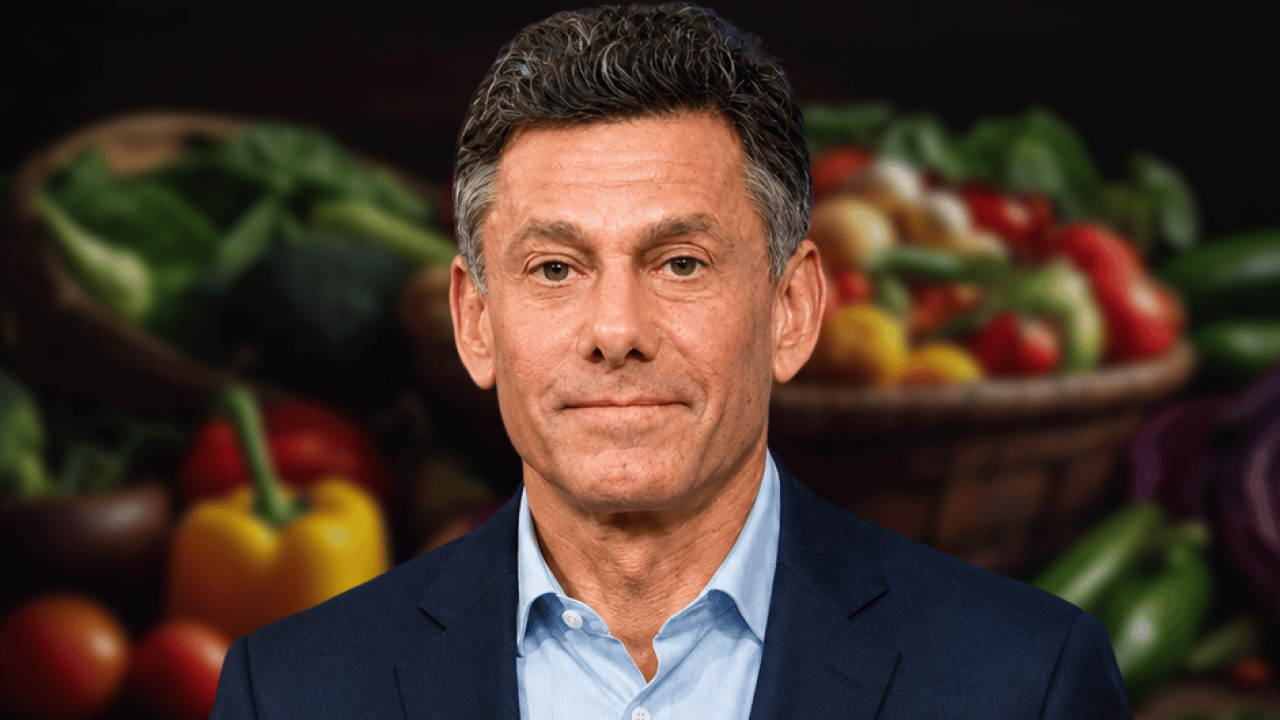
Take-Two boss Strauss Zelnick has a message for anyone watching their gas, grocery, and rent bills climb: he sees it, he understands it, and he still thinks you will buy Grand Theft Auto 6 anyway. Speaking around the company's late-May earnings cycle, Zelnick said he is "sensitive to the fact that so many people are facing economic challenges," then argued in the same breath that none of that pressure will keep players away from the biggest game launch of the decade.
His logic is blunt. People do not cut the things they genuinely want first. They cut the things they can take or leave. Zelnick puts a new Rockstar release firmly in the first category, and his exact framing was about as confident as a CEO gets: "If you give people what they want in the entertainment business, they will come out for it."
What Zelnick actually said
The notable part is that Zelnick did not pretend the economy is fine. He named the squeeze directly: gas, groceries, rent, all up. That acknowledgement is the setup, not a hedge. His point is that a stretched household reorganizes its spending rather than zeroing it out, and that a generational GTA release is the kind of purchase that survives the reshuffle.
It is a tidy line, and it is also the entire Take-Two investment case compressed into a sentence. The company is not betting that consumers have spare money lying around. It is betting that GTA 6 is the last discretionary purchase a tight household gives up, not the first.
The pricing question he keeps dodging
The cost-of-living comments sit inside a longer pricing conversation Zelnick has been steering for months. He has repeatedly refused to name a number for GTA 6, but he has dropped enough signals to bracket it. In earlier remarks he placed the base game inside the standard AAA range of roughly $70 to $80, not the $100-plus premium tier that some analysts floated.
His reasoning leans on a point that is easy to forget: game prices have barely moved. Console games sat near $60 for most of a console generation and only recently crept toward $70, even as nearly everything else got more expensive. Zelnick's framing is that games are arguably underpriced against inflation, and that the real job is making players feel they got their money's worth rather than chasing the sticker price upward. Our GTA 6 pricing breakdown walks through where the number is likely to land and why.
Why the math is on his side
Strip away the messaging and Zelnick has the receipts. Grand Theft Auto V has now sold more than 225 million copies across twelve years and three console generations, which makes it one of the best-selling entertainment products ever made. That run happened through a pandemic, repeated recession scares, and exactly the kind of cost-of-living pressure he is describing now. People kept buying.
Take-Two's own guidance shows how hard the company is leaning on that pattern. Management has guided fiscal 2027 net bookings to $8.0 billion to $8.2 billion, a forecast that only makes sense with a massive GTA 6 launch baked in. That is not the posture of a company bracing for soft demand. It is the posture of a company treating GTA 6 as close to recession-proof.
The release date itself is locked. Zelnick reconfirmed November 19, 2026 during the May earnings call, and told CNBC the game will ship with a "big physical component" alongside the digital version. No new delay, no digital-only pivot.
The part worth pushing back on
There is a tension Zelnick glides past. Take-Two's own commentary in earlier downturns leaned on the idea that strapped consumers become more selective, concentrating their money on fewer, higher-confidence purchases. That is great news for GTA 6 specifically and grim news for almost everything around it. A household that buys one big game this year and skips five others is a windfall for Rockstar and a problem for the mid-budget titles fighting for the same wallet.
So the honest read is not "the economy does not matter." It is "the economy matters enormously, and concentration is the whole strategy." Zelnick is not predicting that wallets are healthy. He is predicting that when money is tight, the dollars that still get spent flow toward the single most-anticipated release in years. On that narrower claim, the evidence is very hard to argue with.
Whether that confidence stretches to a higher price tag is the open question. Acknowledging that groceries cost more is one thing. Charging more for the game while saying it is another. Zelnick has been careful not to do the second part out loud, and the gap between those two positions is exactly where the real pricing decision still lives.
For everything Rockstar has officially confirmed about the launch, including platforms, the Leonida map, and the returning Vice City setting, head to our GTA 6 Launch Desk.
Update log
- September 12, 2026: corrected the Take-Two fiscal 2027 net bookings guidance to $8.0 billion to $8.2 billion, the range management actually set on the May 21 earnings call.
Sources
- Take-Two Boss Knows You're Paying More For Gas, Groceries, Says You'll Buy GTA 6 Anyway (GameSpot). The "sensitive to the fact" and "give people what they want" quotes.
- GTA 6 Company Believes People Will Be More "Selective" During Challenging Economic Times (GameSpot). The selective-spending framing.
- Take-Two CEO suggests GTA 6's pricing might not be as high as predicted, reminds people about inflation (ResetEra). The $70 to $80 pricing signals and inflation comments.
- Everything We Learned About the May 2026 Take-Two Earnings Call (Insider Gaming). FY27 guidance, the reconfirmed November 19 date, and the "big physical component" remark.