GTA HD Universe vs 3D Universe, Explained
The HD universe GTA games and the 3D universe GTA games are separate continuities. Here is what divides them and where every title fits in the canon.
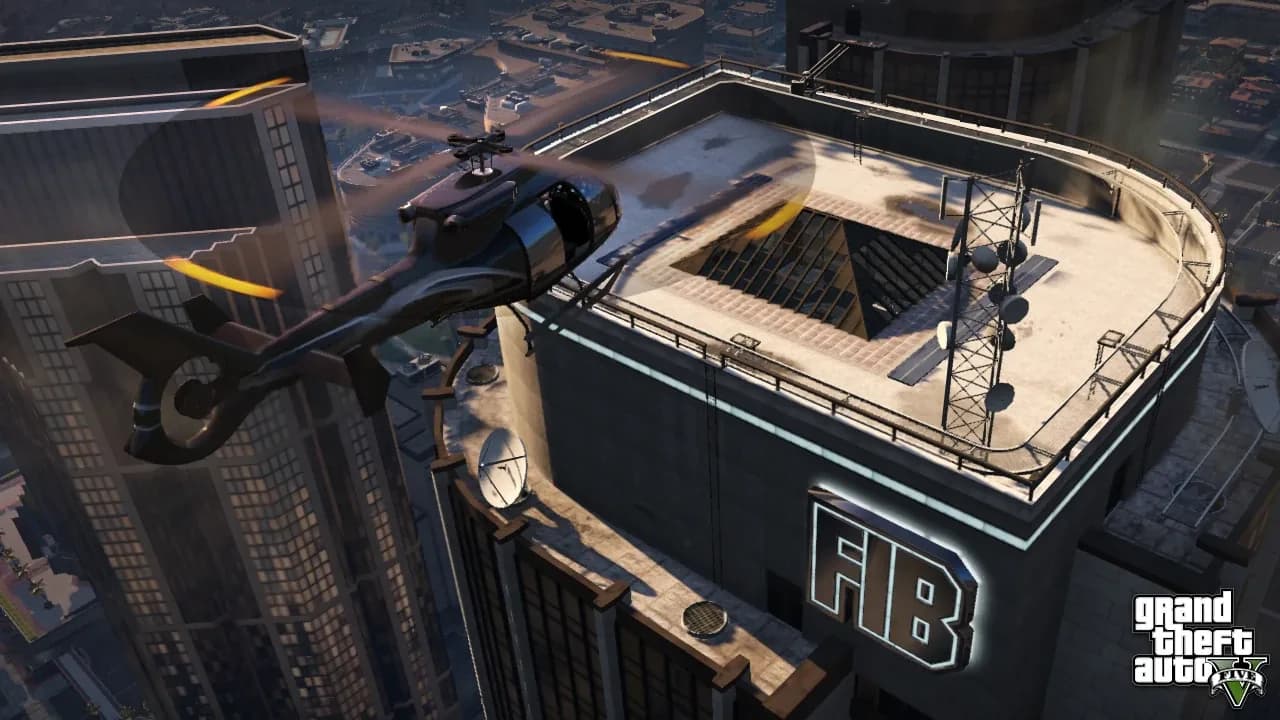
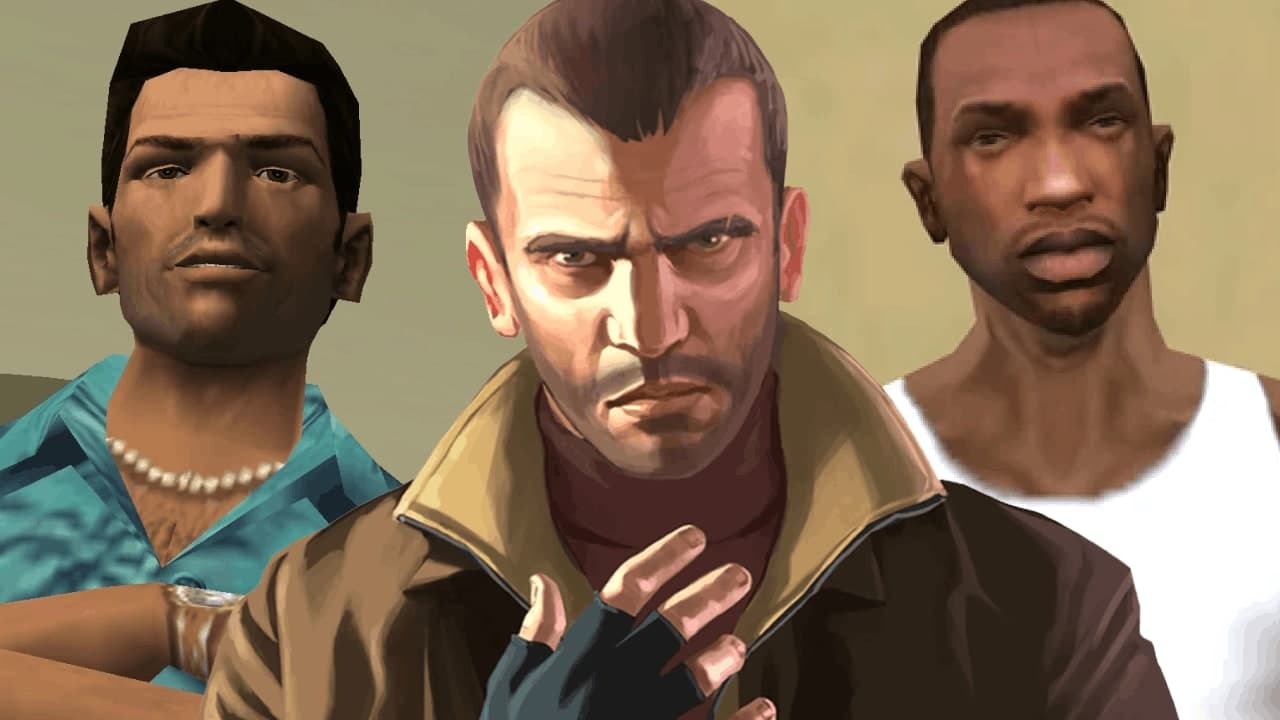
The HD universe GTA games and the 3D universe GTA games belong to two completely separate continuities, which is why the same city names and brands keep showing up while the characters never actually meet. Rockstar North splits the franchise into distinct "universes" defined by the graphics generation each game shipped on. Understanding that split is the cleanest way to read the GTA timeline canon and figure out which games share a story.
What "universe" means in GTA
Rockstar treats each universe as its own self-contained canon of people, places, and events. The official idea is that each universe is the same fictional setting "interpreted" at a different visual fidelity, so a brand like Cluckin' Bell or a radio host can exist in more than one universe as a separate reinterpretation, while three-dimensional, physically appearing characters do not cross over.
There are three universes in total, named by Rockstar North:
- 2D Universe: the original top-down games started by the first Grand Theft Auto (1997)
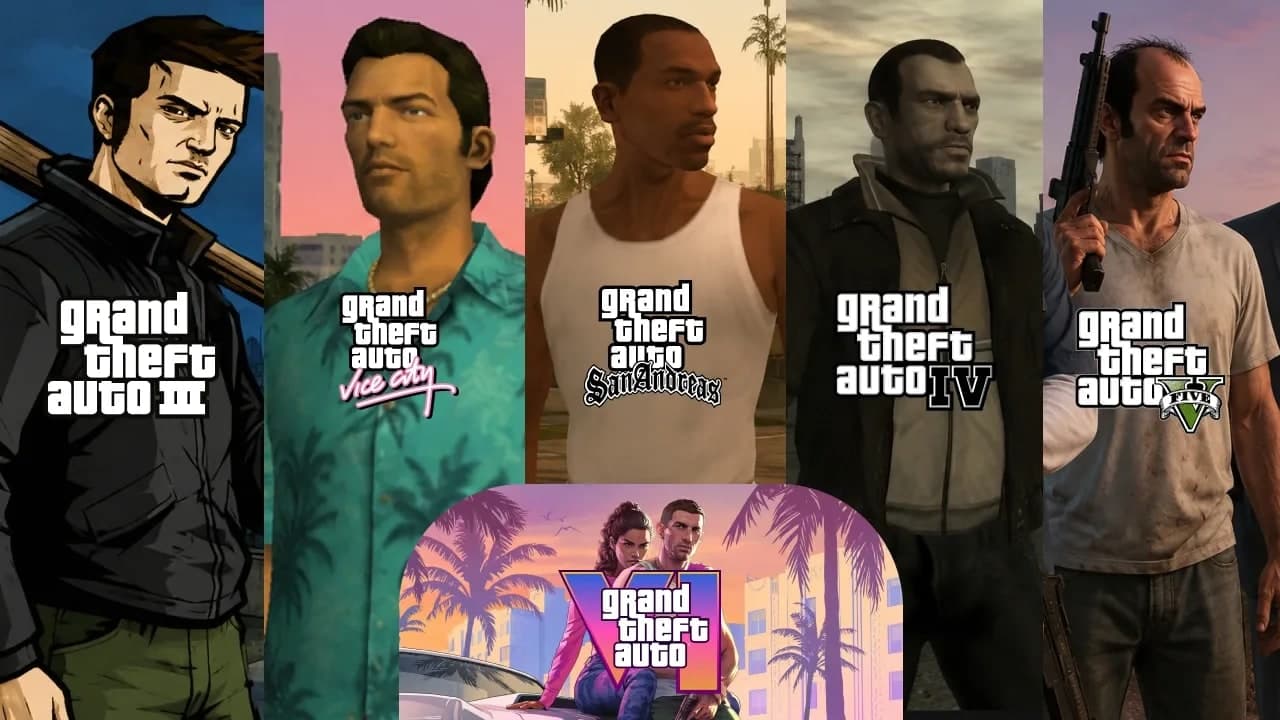
- 3D Universe: the era launched by Grand Theft Auto III (2001)
- HD Universe: the current canon, launched by Grand Theft Auto IV (2008)
The names come straight from the graphics. The 3D Universe was the first to use fully three-dimensional environments, and the HD Universe is named for its high-definition visuals. Rockstar spelled out the split in a Newswire "Asked & Answered" post, explaining that the Grand Theft Auto III world "is a different world to Grand Theft Auto IV," and that only branding and certain radio personalities carry across the two continuities rather than the characters.
The 3D Universe games and timeline
The 3D Universe covers the games built in the GTA III era, released between 2001 and 2006. This is the continuity most fans think of as the "classic" GTA world, where storylines, characters, and cities openly reference one another.
The 3D Universe games are:
- Grand Theft Auto III (2001): Liberty City, set in 2001
- Grand Theft Auto: Vice City (2002): Vice City, set in 1986
- Grand Theft Auto: San Andreas (2004): the state of San Andreas (Los Santos, San Fierro, Las Venturas), set in 1992
- Grand Theft Auto: Advance (2004): Liberty City, on Game Boy Advance, set in 2000
- Grand Theft Auto: Liberty City Stories (2005): Liberty City, set in 1998
- Grand Theft Auto: Vice City Stories (2006): Vice City, set in 1984
These games were not released in story order. Vice City Stories, the last to launch, sits earliest on the in-universe timeline (1984), while GTA III, the first to launch, is the latest event in the era (2001). Characters recur across the whole run, which is why Vice City Stories, Vice City, San Andreas, Liberty City Stories, and GTA III feel like one connected saga.
The HD Universe games and timeline
The HD Universe is the current and ongoing canon. It began as a clean reboot with Grand Theft Auto IV, which reintroduced Liberty City from scratch as a new, denser interpretation of New York rather than a sequel to the 3D-era version.
The HD Universe games are:
- Grand Theft Auto IV (2008): Liberty City, set in 2008
- The Lost and Damned (2009): GTA IV episode following biker Johnny Klebitz
- The Ballad of Gay Tony (2009): GTA IV episode running parallel to the main story
- Grand Theft Auto: Chinatown Wars (2009): Liberty City, a handheld entry with an isometric camera and a cel-shaded, comic-book art style
- Grand Theft Auto V (2013): Los Santos and Blaine County, the modern HD take on Southern California
- Grand Theft Auto Online (2013): the persistent multiplayer component of GTA V
- Grand Theft Auto VI (upcoming): the state of Leonida, with a rebooted Vice City as its centerpiece
Because GTA IV and GTA V share the HD Universe, Rockstar can carry small threads between them, but it does so sparingly. You can read more about that era on our GTA 5 hub, browse the GTA 5 cheats list, or look through the GTA 5 screenshots gallery.
How the two universes differ
The split is about continuity and tone, not just polygon counts. A few practical differences:
- Separate canon. A 3D-era Liberty City and an HD-era Liberty City are different cities with different layouts, histories, and residents. Same name, different world.
- Reinterpreted brands and media. Companies, radio stations, and celebrity personalities reappear across universes as fresh versions, not the same individuals.
- No physical character crossover. Protagonists and key story characters stay locked to their own universe.
- Tone shift. The 3D Universe leans into bright, exaggerated parody, while the HD Universe pushes a grittier, more grounded satire, most obvious in GTA IV's heavier story.
Where GTA 6 fits in the canon
Grand Theft Auto VI continues the HD Universe, the same continuity as GTA IV and GTA V. It returns to Vice City, but this is the HD-era reboot of the city in the new state of Leonida, not a sequel to the 1980s Vice City of the 3D Universe. Sharing a universe with GTA V means it can reference that world's brands and history, while staying its own story.
Easter eggs are not continuity
One common trap: spotting a familiar name across universes does not link them. The most famous example is Niko Bellic's Lifeinvader social-media profile appearing inside GTA V, visible on Jimmy De Santa's laptop. Because both games are in the HD Universe, the nod is plausible, but Rockstar treats it as an Easter egg rather than confirmed plot continuity. Cross-universe callbacks, like 3D-era brands resurfacing in the HD games, are deliberate winks, not evidence that the timelines connect.