Vice City's 1986 Meets GTA 6's Leonida: What Carries Forward 40 Years On
Rockstar is returning to Vice City in November 2026, forty in-fiction years after Tommy Vercetti's empire. Here's what the original 1986 setting established, what GTA 6's trailers show that's clearly carried forward, and where Rockstar has made a deliberate break.
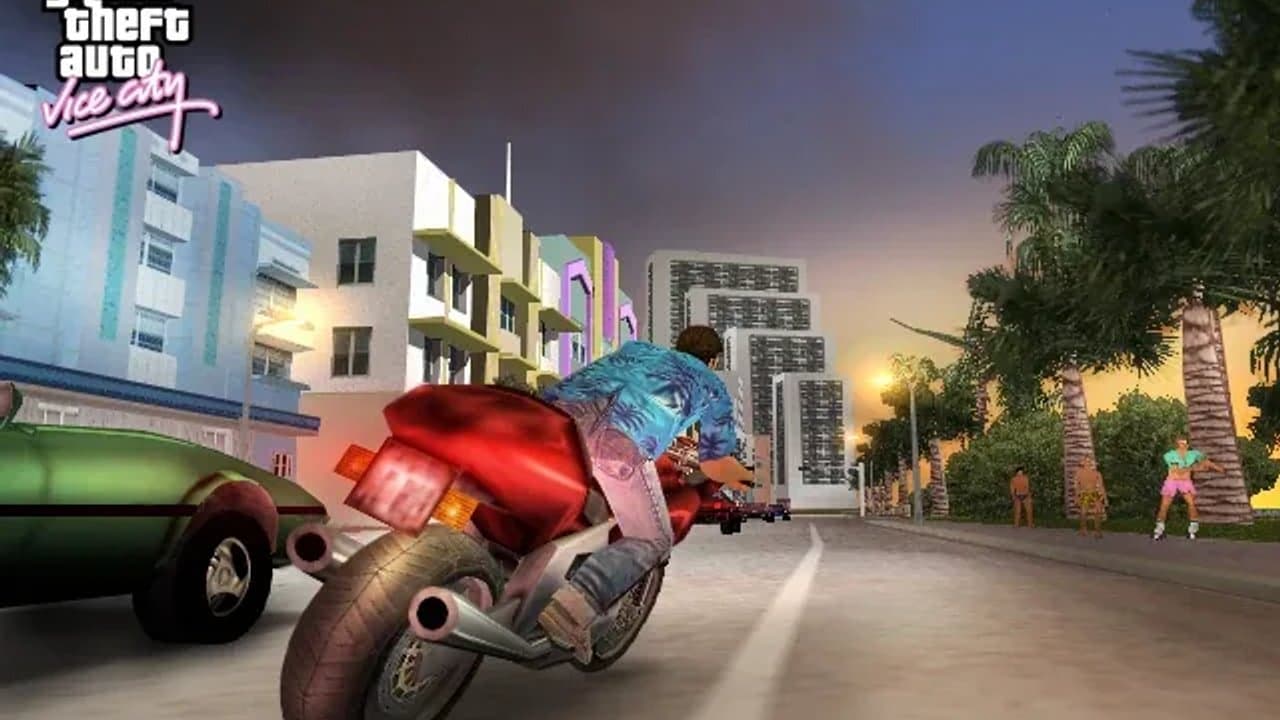
In November 2026, Rockstar returns to Vice City for the first time in twenty real-world years, after Grand Theft Auto: Vice City (2002) and the prequel Vice City Stories (2006). The original game's 1986 setting is one of the most distinctive in any open-world title: a stylised Miami at the height of the cocaine cowboys era, soaked in neon, set to Tom Tom Club and Hall & Oates. GTA 6 brings the same city forward to the present day as the main metro of a wider state called Leonida, with two protagonists, modern vehicles, and working in-game social feeds. Here is what the 2026 game has carried forward, what it has changed, and what the original Vice City established that Rockstar's writing has never escaped.
What Vice City 1986 actually was
Vice City the original game is set in the fictional state of Florida in 1986 and is built directly on the visual language of Brian De Palma's Scarface (1983) and NBC's Miami Vice (1984–1990). Both references are explicit. Tommy Vercetti's eventual mansion is a near-direct cinematic homage to Tony Montana's. The colour palette is Miami Vice's: pastel suits, neon signage, blacks and pinks against turquoise water.
The setting's pillars:
- Geography. A two-island setting (the Vice Beach side and the mainland) inspired by Miami Beach and Downtown Miami, with the Starfish Island mansion district in the middle of the bay.
- Architecture. Heavy art-deco emphasis along Ocean Drive (modelled on the South Beach Art Deco Historic District), with concrete brutalism in Little Havana, Spanish colonial in the wealthy zones, and warehouse industrial along the docks.
- Gangs. Cubans in Little Havana, Haitians in Little Haiti, the Streetwannabes in Downtown, plus the Italian-American Forelli influence from Liberty City and the local Vance Crime Family. The Haitian gang depiction triggered a real-world community protest in November 2003 and prompted Take-Two to remove offending dialogue from future pressings of the game.
- Music. A 1980s licensed soundtrack covering Michael Jackson's Billie Jean, A Flock of Seagulls' I Ran, Hall & Oates, Toto's Africa, and one of the largest licensed song lists in early-2000s gaming.
- Culture. Cocaine wholesale as the economy. The "anything goes" 1980s as the moral framing. Tommy Vercetti's empire-building arc as the structural template.
The 2026 game carries some of that forward and deliberately reshapes the rest.
What Rockstar has confirmed about GTA 6
From the December 2023 Trailer 1, the May 2025 Trailer 2, the August 2026 Extended Look, and Rockstar's official site:
- Setting. The state of Leonida, a fictional Florida. Vice City is its main metro. Other named areas include Leonida Keys, Grassrivers, Port Gellhorn, Ambrosia, and Mount Kalaga National Park. Inside Vice City itself, Rockstar's site names Ocean Beach, Little Cuba, the Tisha-Wocka flea market and the VC Port.
- Time period. Present day. Rockstar has not specified an exact year inside the fiction, but the trailers' technology (smartphones, social media, electric vehicles) places it in the 2020s.
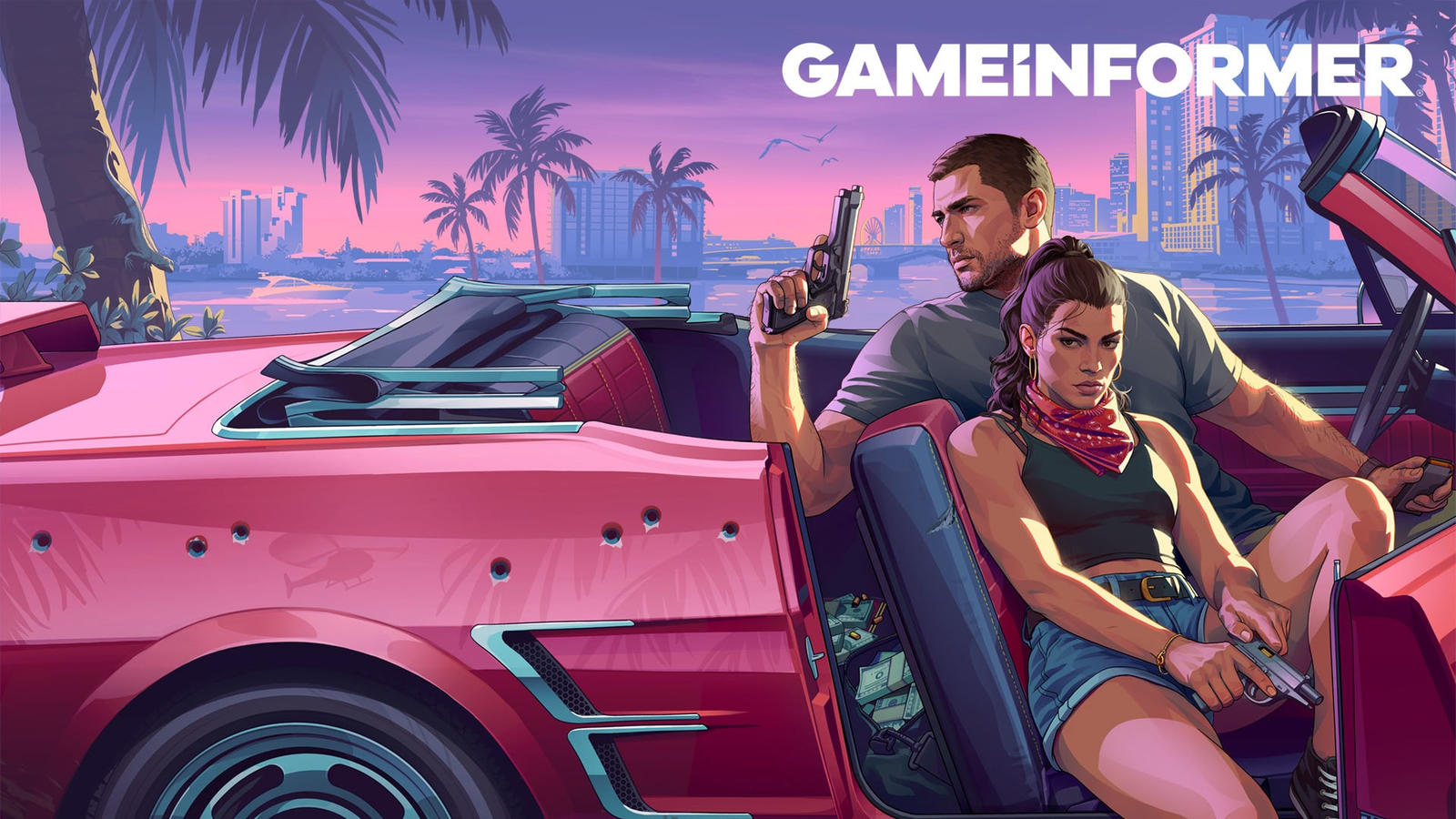
- Protagonists. Lucia Caminos and Jason Duval, the two playable leads, switched via a selection wheel Rockstar showed in the Extended Look. Rockstar's bios cast Lucia as a fighter fresh out of the Leonida Penitentiary and Jason as an ex-Army drug runner who "wants an easy life"; the official GTA VI site's premise says the pair "have always known the deck is stacked against them" and, when "an easy score goes wrong", are "forced to rely on each other more than ever if they want to make it out alive." Lucia is widely described as the first female lead of a mainline GTA campaign, a reported milestone rather than a Rockstar claim.
- Release. November 19, 2026, on PlayStation 5 and Xbox Series X|S. No PC version has been announced. Pre-orders have been open since June 25, 2026 at $79.99 for the Standard Edition and $99.99 for the Ultimate Edition.
What the trailers don't confirm: a direct narrative link to Tommy Vercetti, a Vercetti Estate cameo, the fate of any 1986 characters, or whether the modern Leonida fiction acknowledges Vice City's 1986 events as canonical history. Rockstar has named no returning character from any earlier game. It has, deliberately, said almost nothing about lore continuity.
What carries forward
Four things from the original 1986 setting are clearly visible in the 2026 trailers, with varying degrees of fidelity.
1. The city's geographic core.
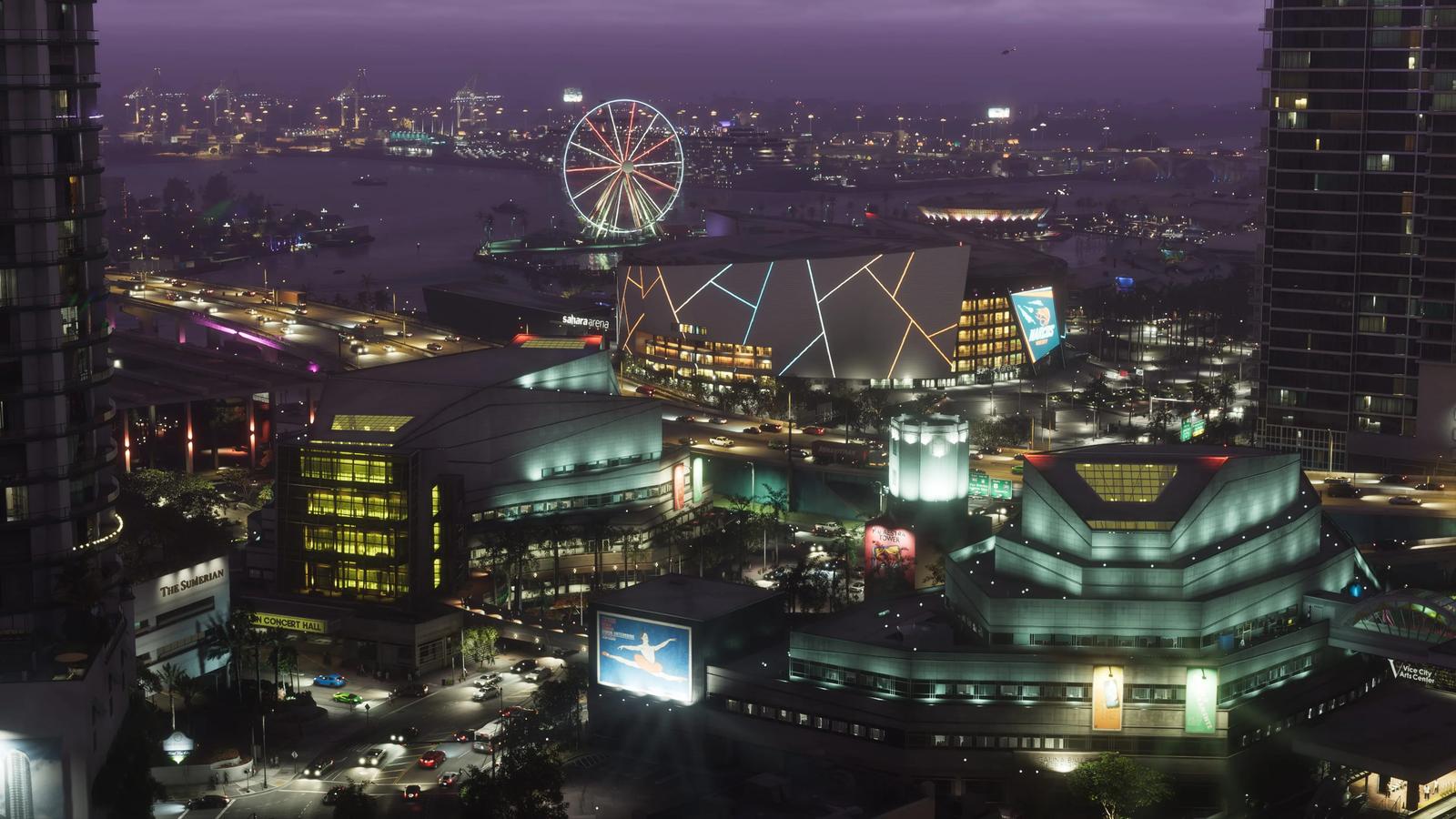
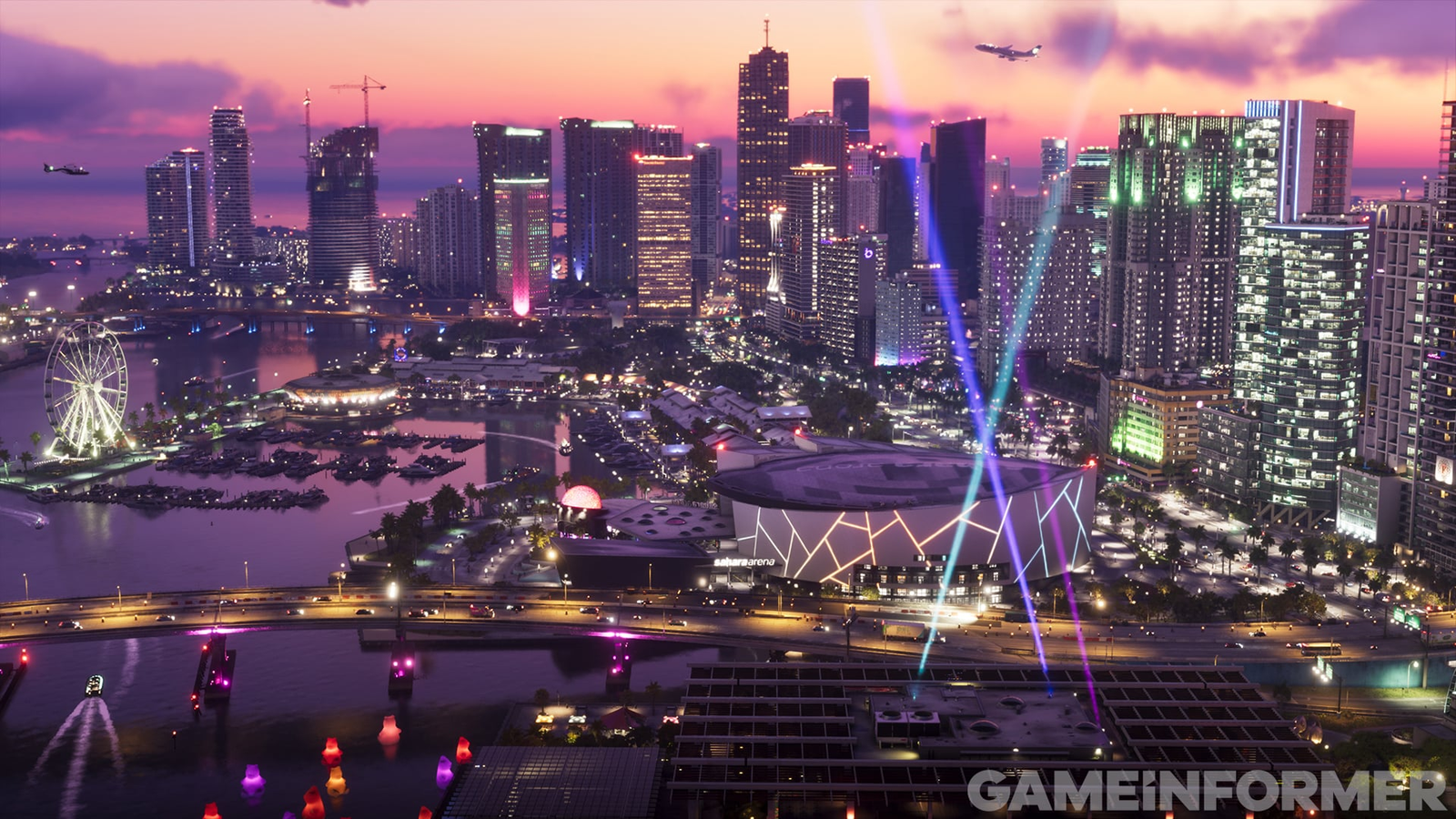
Trailer 2 and the Extended Look show a modern Vice City beachfront that fans have read as a recognisable echo of the 1986 map's geography. Rockstar's own site describes Ocean Beach as white sand and pastel art-deco hotels, so the art-deco strip that defined the 2002 game's Ocean Beach is back, evolved into a denser modern entertainment district. Whether Starfish Island survives as a luxury district, and how far the two-island bay structure has been expanded, is fan reading of the footage; Rockstar has not named either.
How precisely Vice City 2026 maps onto Vice City 1986 won't be confirmable until release. The marketing positioning, deliberately, trades on familiarity without committing to an exact 1986 overlay.
2. The cultural identity.
Vice City's 1986 identity (the Cuban-American influence, the Latin-music presence, the beachfront club scene) is visibly intact in GTA 6, updated to the 2020s. Rockstar's site describes Little Cuba and its panaderías, and the cast bios build a whole music-industry thread around Boobie Ike's recording studio, the Only Raw Records label he runs with Dre'Quan Priest, and the rap duo Real Dimez, which reads as a deliberate continuation of Vice City's tradition of building its fiction around the region's musical culture.
3. The "anything goes" tonal palette.
Vice City was, in 2002, the most aesthetically extreme GTA. Bright colours, loud personalities, explicit cocaine-cowboys excess. The 2026 trailers re-establish that register: pool parties, jet skis, animal escapes from suburban yards, fights at gas stations, alligator content, social-media-broadcast crime. Different decade, same maximalism.
4. The architectural and visual signatures.
The pastel-on-neon visual identity of original Vice City is, in 2026 trailer footage, recognisable even when nothing else is. The sunset shots in particular. Rockstar's art direction has spent two decades refining what "Vice City light" looks like, and the new game has clearly inherited it.
What's changed
Four things are different in deliberate, signal-sending ways.
1. The protagonists are not Tommy Vercetti.
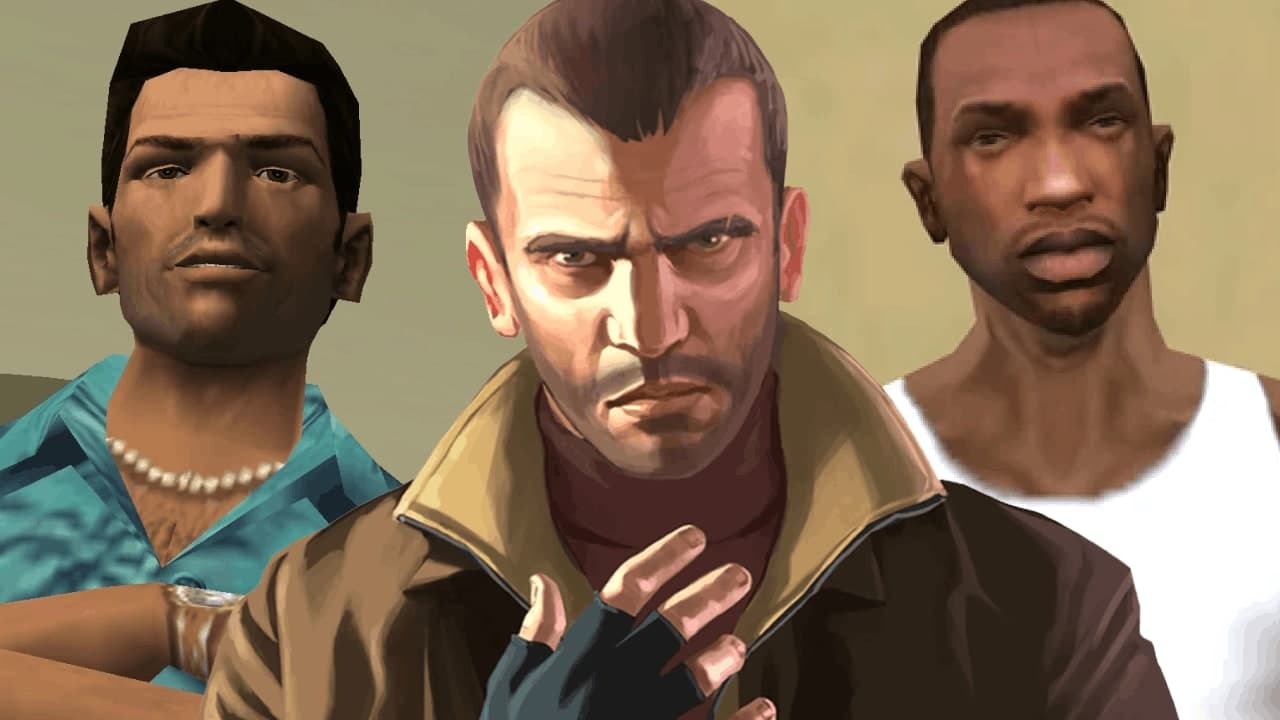
GTA 6's leads are a fighter fresh out of prison and an ex-Army drug runner. Lucia Caminos is structurally closer to Niko Bellic than to Tommy: a protagonist whose past has cost her something, who reads as morally complicated rather than confident. Jason Duval is closer to Michael De Santa than to Tommy: a man who, in Rockstar's words, "wants an easy life," lives rent-free on Brian Heder's property, and is drifting into things he can't take back. Neither reads as a "Tommy Vercetti goes to 2026" reboot.
2. The crime structure.
The original Vice City was about cocaine wholesale and the construction of a single criminal empire. GTA 6's footage and cast bios point somewhere different: Lucia fleeing a store robbery in the Extended Look, Jason working for Keys drug runners and helping Brian Heder with local shakedowns in exchange for a rent-free place, and Raul Bautista, a "seasoned bank robber" whose recklessness "raises the stakes with every score." It is a crew of hustlers and robbers working jobs together rather than one man's kingpin saga, at least in everything Rockstar has shown so far.
3. The aesthetic decade.
1986 was art deco and Scarface. 2026 is TikTok and electric vehicles. Trailer 1's licensed track was Tom Petty's Love Is a Long Road (1989), used to evoke roadtrip Americana, not '80s Miami specifically. Trailer 2 featured The Pointer Sisters' Hot Together (1986), a more direct vintage callback. Both trailer tracks are vintage. Rockstar has confirmed that licensed music plays in the world (Phil Collins in an elevator during the Extended Look) but has said nothing about how the in-game radio will split modern and nostalgic music.
4. Lore continuity is hands-off.
Rockstar has stayed silent about whether Vice City 2026 acknowledges 1986 events as canon. Dan Houser, the writer most directly associated with Vice City's tone, left Rockstar in 2020. Rockstar's writers' room on GTA 6 is a new generation, and the studio has chosen to position the game as a standalone modern story rather than as a sequel to the 1986 game. Easter eggs and callbacks are likely; the first confirmed one is the pre-order bonus, a Vintage Vice City Pack with a '55 Vapid Stanier and a Shore Court garage near Ocean Beach. A direct continuation isn't on the table, based on everything Rockstar has shown.
Why the parallel matters anyway
Even without an explicit narrative link, the Vice City 1986 and Vice City 2026 pairing is the single most direct location callback in GTA history. The studio has never reused a setting at this scale, in this depth, with this gap of fictional time. Every other GTA returns to a city as a fresh fiction (Liberty City in GTA III, IV and the Stories games are essentially three separate cities sharing a name). Vice City to Vice City, with forty in-fiction years between them, is something new.
The practical result is that 2026 players will get two different experiences depending on whether they know the 1986 game. Players new to GTA will get a self-contained modern crime story. Players who remember Vice City 2002 will see a city they can map against memory: same bay structure, same art deco strip, same Latin-music culture, same "anything goes" energy, in a place that is now forty years older.
For more on the original setting, see Vice City's 1986 map tour and the Tommy Vercetti / Ray Liotta piece. For more on the new protagonists, see the Lucia Caminos profile and Jason Duval explainer.
When GTA 6 launches in November 2026, the most accurate framing won't be "Vice City returns." It will be "Vice City is still here, and we're meeting it again."
Update log
- September 12, 2026: Corrected the platform line (no PC version has been announced; the old "to follow" wording was never official) and added the confirmed price and pre-order date. Removed unsourced claims: a "real America" trailer quote, an "ordinary crime in modern America" Rockstar quote, a wife for Jason, Latin pop and reggaeton in Trailer 2, and Haitian neighbourhoods and Starfish Island as GTA 6 confirmations. Re-anchored the setting, cast and crime sections to Rockstar's own site text and the August 27 Extended Look, noted that Lucia's "first female lead" status is a reported milestone rather than a Rockstar claim, added the Vintage Vice City Pack callback, and fixed the gap since Vice City Stories (twenty years, not twenty-four). Later the same day: replaced a "two outsiders" line wrongly attributed to the Trailer 2 Newswire post with the premise text from Rockstar's official GTA VI site, corrected Jason's role to match his bio (working for Keys drug runners and helping Brian Heder with shakedowns, not running product through the boat yard), and dropped an unsourced claim that the two trailer songs signalled a Rockstar plan to mix contemporary and nostalgic music.
Sources
- Grand Theft Auto: Vice City on Wikipedia. Original game overview, setting, gangs.
- Grand Theft Auto VI on Wikipedia. Confirmed setting, protagonists, release date.
- State of Leonida on the GTA Wiki. The fictional state's regions and counties.
- GameSpot: GTA 6 Trailer 2 song explained. Pointer Sisters' "Hot Together" identification.
- GamesRadar: GTA 6 Trailer 1 song. Tom Petty's "Love Is a Long Road" identification.
- Grand Theft Auto VI: Watch Trailer 1 Now (Rockstar Newswire). Leonida and Vice City confirmed.
- Grand Theft Auto VI: An Extended Look (Rockstar Newswire). The August 27, 2026 gameplay showcase.
- Grand Theft Auto VI pre-orders begin on June 25 (Rockstar Newswire). Price, editions and the Vintage Vice City Pack.
- Rockstar Games: Grand Theft Auto VI. Publisher's authoritative source on the new game, including the region and character bios.
- Rockstar Games: Grand Theft Auto: Vice City official site. The original 1986 setting.