Tommy Vercetti and Ray Liotta: How One Actor Made the Original GTA Villain a Legend
Vice City's Tommy Vercetti was the first speaking protagonist in Grand Theft Auto history. Ray Liotta gave him a voice that, twenty-four years later, still defines what a Rockstar protagonist sounds like. Here's the partnership behind one of gaming's most iconic performances.
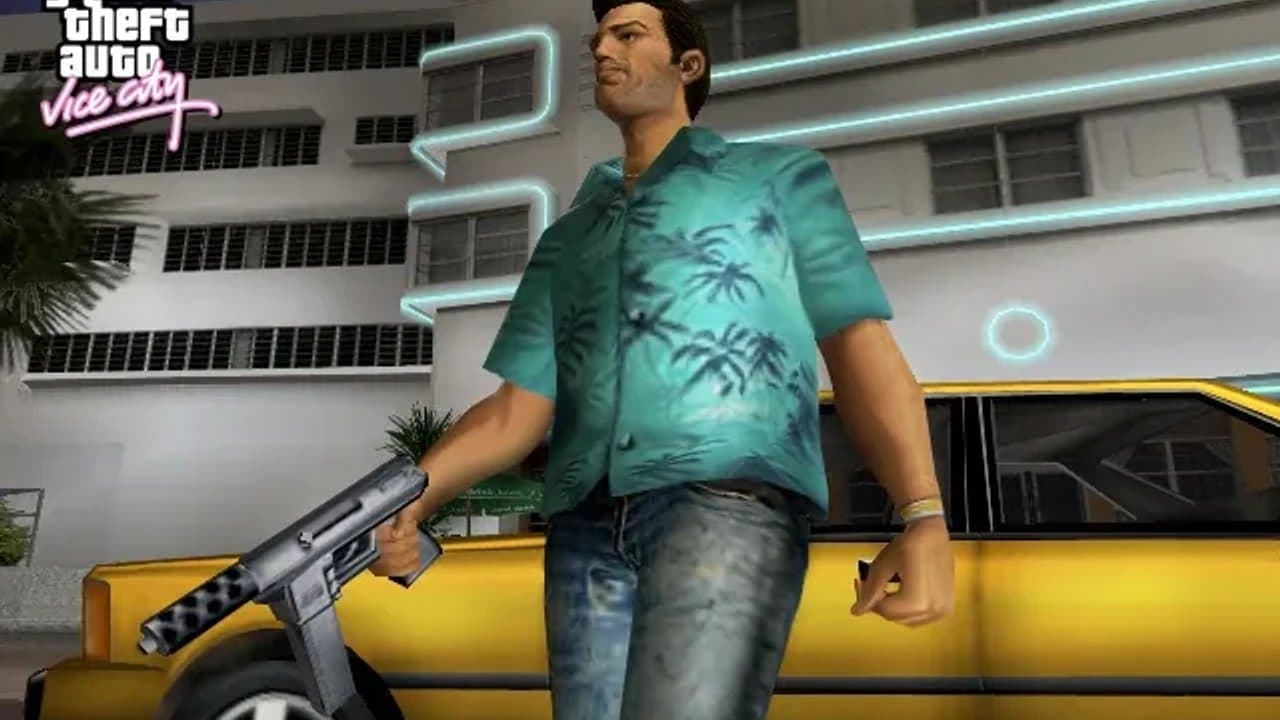
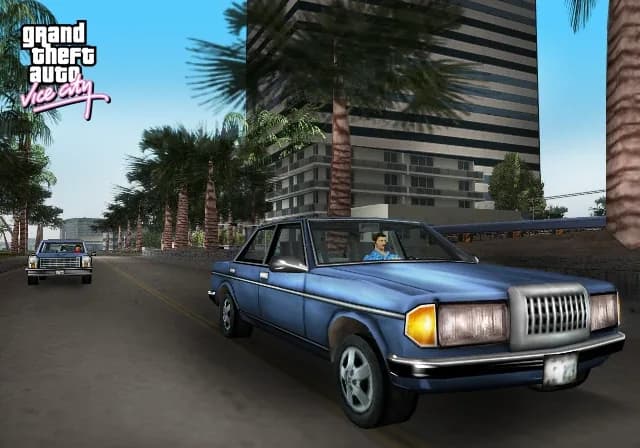
When Grand Theft Auto: Vice City shipped in October 2002, it carried a casting decision that would define the franchise's voice for the next two decades. The protagonist, Tommy Vercetti, would actually speak, the first speaking GTA protagonist after GTA III's silent Claude. And he would be voiced by Ray Liotta, the actor most audiences knew as Henry Hill from Goodfellas, walking out of one mafia movie and straight into the most influential mafia video game ever made. The partnership made Tommy. It also, by Liotta's own later account, was more complicated than it looked.
The casting that defined the series
By 2002, Rockstar had built GTA III into a phenomenon on the foundation of a silent protagonist and a city that talked around him. Claude in Liberty City was a cipher. He worked because the world around him supplied the voice. For Vice City, Rockstar's writers, including Dan Houser (then Rockstar's chief creative officer; he would later leave the company in 2020), wanted a protagonist who could carry his own scenes. Tommy needed to be a man with a past, a temper, and a presence.
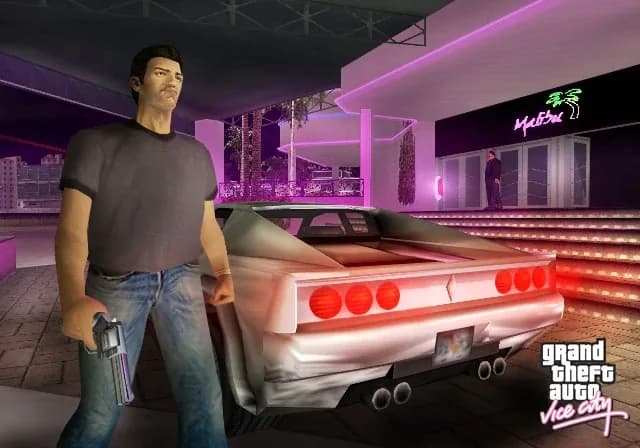
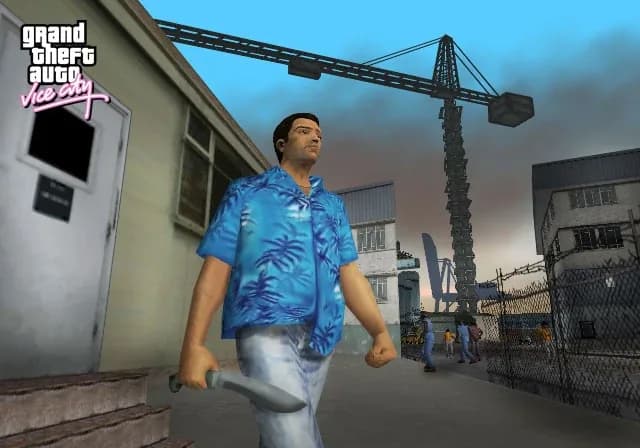
The casting choice was specific. Liotta wasn't a generic action-movie voice. He was Henry Hill. He was the actor of Something Wild, Field of Dreams, Cop Land and Hannibal. Casting him as Tommy Vercetti, a Forelli Family soldier sent to Vice City in 1986 to clean up a drug deal gone wrong, was a deliberate piece of cultural shorthand. The audience would hear Liotta and immediately know what kind of character they were getting.
Who Tommy is on paper
The in-game biography is built to support Liotta's performance, not to compete with it. The official outline:
- Forelli Family soldato. Tommy is a soldier in the Liberty City-based Forelli Family, working under Sonny Forelli. The relationship is established in the game's opening cutscenes.
- The Harwood job. Before the events of Vice City, Tommy carried out a mob hit at Harwood, Liberty City, that went badly wrong. He served fifteen years in prison for it. Sonny used those fifteen years to consolidate the Forelli family while Tommy was inside.
- Vice City, 1986. Sonny sends Tommy to Vice City to handle a wholesale cocaine deal with the Vance Crime Family. The deal is ambushed at a derelict pier. Tommy survives. The drugs and the money are both gone.
- The empire. What follows across roughly 60 missions is Tommy methodically tearing through Vice City to recover the lost money, then refusing to send it back. He buys properties, kills competitors, takes over the Cuban gang's territory, the Haitian operations, the porn studio, the strip club, the boat yard, and finally Diaz's mansion at Starfish Island, which becomes the Vercetti Estate.
The arc is unusual for GTA. Tommy doesn't slowly become a crime boss. He arrives as a soldier, and by the end of the game has become an island-controlling boss. There is no moral reckoning. Vice City is the only Rockstar protagonist arc that ends with the protagonist explicitly winning at being a criminal.
The performance
Liotta's vocal performance is what carries that arc. The script gives Tommy roughly the same lines another actor could have delivered as a generic gangster. Liotta does something different. The performance leans into a specific register: clipped, faintly bitter, often amused at the wrong moment, capable of going from conversational to enraged in a single sentence. It is, on inspection, the same register he used for Henry Hill.
That deliberate continuity worked. By 2003, Tommy Vercetti was one of the most quoted video-game characters in the medium. Lines from missions like "Phnom Penh '86," "Sir, Yes Sir!" and "All Hands on Deck!" had become standard reference points in early-2000s gaming culture, partly because of the script, mostly because of how Liotta delivered them.
Liotta on the pay (the public record)
Ray Liotta was not happy about how the role was compensated. He talked about it on Conan O'Brien in 2003, joked about sitting in a booth "cursing at people" for hours, and made clear he hadn't been told how big the game would be. The fullest version of his grievance appears in David Kushner's 2012 book Jacked: The Outlaw Story of Grand Theft Auto, which documents Liotta's view that the role's pay didn't reflect either the work he put in or the commercial success that followed.
The specific phrasing of Liotta's complaints varies by retelling, and several quotes attributed to him on the topic don't trace cleanly to a primary source. The safe summary, well-supported by both his own televised remarks and Kushner's reporting, is that Liotta felt under-compensated for a role that became globally iconic. He echoed the same critique that Michael Hollick (Niko Bellic) would make five years later about GTA IV: voice actors in 2000s-era video games did not share in the success of the games they anchored, and the gap was bigger than the public realised.
That structural complaint about games-industry residuals is one of the through-lines of Liotta's later career. It is also one of the reasons his contribution to Rockstar's commercial dominance is now well-documented.
His death and Rockstar's tribute
Ray Liotta died on May 26, 2022, in his sleep in the Dominican Republic, where he was filming the movie Dangerous Waters. He was 67. The cause, per coroner reports, was atherosclerotic heart disease with pulmonary edema and respiratory failure as contributing factors.
Rockstar Games issued a tribute the same day, posting on Twitter (now X):
"Rest In Peace Ray Liotta, legendary actor and the iconic voice of Tommy Vercetti."
It was a short statement. Twenty years after Vice City's release, it was also one of the most-shared Rockstar communications of the entire year. The tribute landed because, for a generation of players, Liotta and Tommy Vercetti were inseparable.
What Tommy gave the series
Three things from Vice City have carried across every Rockstar protagonist since.
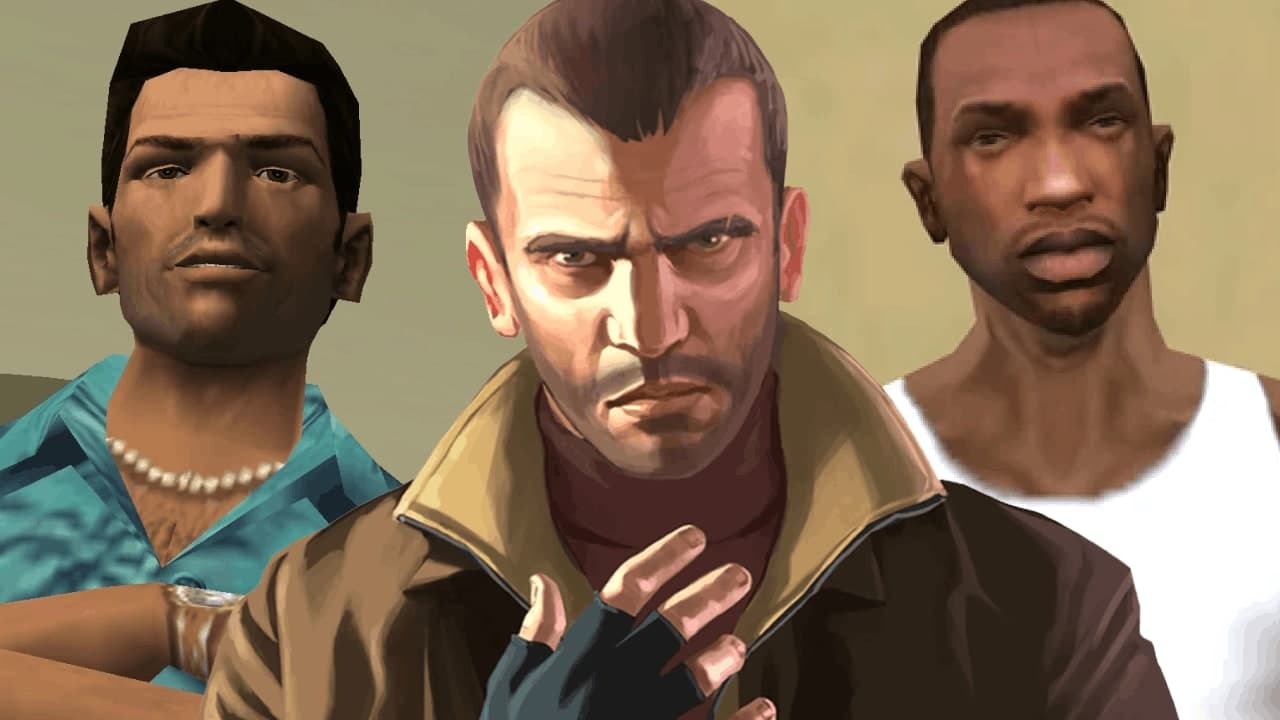
1. The speaking-protagonist precedent. After Tommy, every mainline GTA hero would talk. CJ in San Andreas, Niko in GTA IV, Michael / Trevor / Franklin in GTA V, Arthur Morgan in RDR2, Lucia and Jason in GTA 6. The silent protagonist as a series template died with Vice City.
2. The hire-a-real-actor template. Rockstar's casting strategy of pulling established screen actors into game roles, rather than going with traditional voice-acting talent, started with Liotta. The pattern continued with Samuel L. Jackson (Tenpenny in San Andreas), Ned Luke (Michael), Steven Ogg (Trevor), Roger Clark (Arthur Morgan), and the casts of the GTA 6 trailers.
3. The morally simple protagonist as a viable design. Vice City is one of the few Rockstar games where the protagonist's arc is straightforward escalation toward power. Tommy doesn't redeem himself. He doesn't pay a moral cost. Rockstar's later writing leaned toward more conflicted protagonists (Niko, Arthur), but Tommy remains the case study that simple and confident works too, if the voice is right.
Why he still defines Vice City
Twenty-four years after release, Vice City is still synonymous with Tommy Vercetti in a way most GTA games aren't with their protagonists. CJ is iconic, but San Andreas has Sweet, Smoke, Ryder, Cesar, Catalina and an entire gang ecosystem. Vice City has Tommy. Everyone else, even Lance Vance, is a secondary fixture orbiting him.
That singular focus is Liotta's contribution. The character works because there is no one else the player wants to watch. Rockstar's later games would expand the cast and the moral landscape, but Vice City remains the cleanest expression of Rockstar's "one actor, one city" template, and the cleanest expression of what Ray Liotta could do with a script that knew exactly what to do with him.
With GTA 6 launching in November 2026 and bringing the Vice City setting back, Tommy's voice will be in the room whether Rockstar references him or not. The studio has not confirmed any in-game callbacks to Vercetti in the modern Leonida. But Vice City's 1986 aesthetic and what it carries into 2026 traces directly back to the foundation Liotta and the original Vice City team built.
For more on the city itself, see our Vice City 1986 map tour, and for Tommy's right-hand man, the Lance Vance subplot piece.
Sources
- Tommy Vercetti on Wikipedia. Character overview, voice acting credits, backstory.
- Ray Liotta on Wikipedia. Filmography, biography, death.
- CBS News: Ray Liotta cause of death revealed. Official cause of death.
- Rockstar Games tribute to Ray Liotta on X (May 26, 2022). Publisher's official tribute.
- Grand Theft Auto: Vice City on Wikipedia. Game overview, release information, development.
- Tommy Vercetti on the GTA Wiki. Detailed in-game backstory and missions.
- David Kushner: Jacked, The Outlaw Story of Grand Theft Auto. The definitive history of Rockstar through 2012, including Liotta's pay grievances.
- Rockstar Games: Grand Theft Auto: Vice City official site. Publisher's authoritative source.