GTA 6 Vice City vs the 1986 Original: Then and Now
The 2026 HD-universe Vice City returns to the same coastal geography as the 1986 original. Here's how the 40 in-fiction years have changed the city.
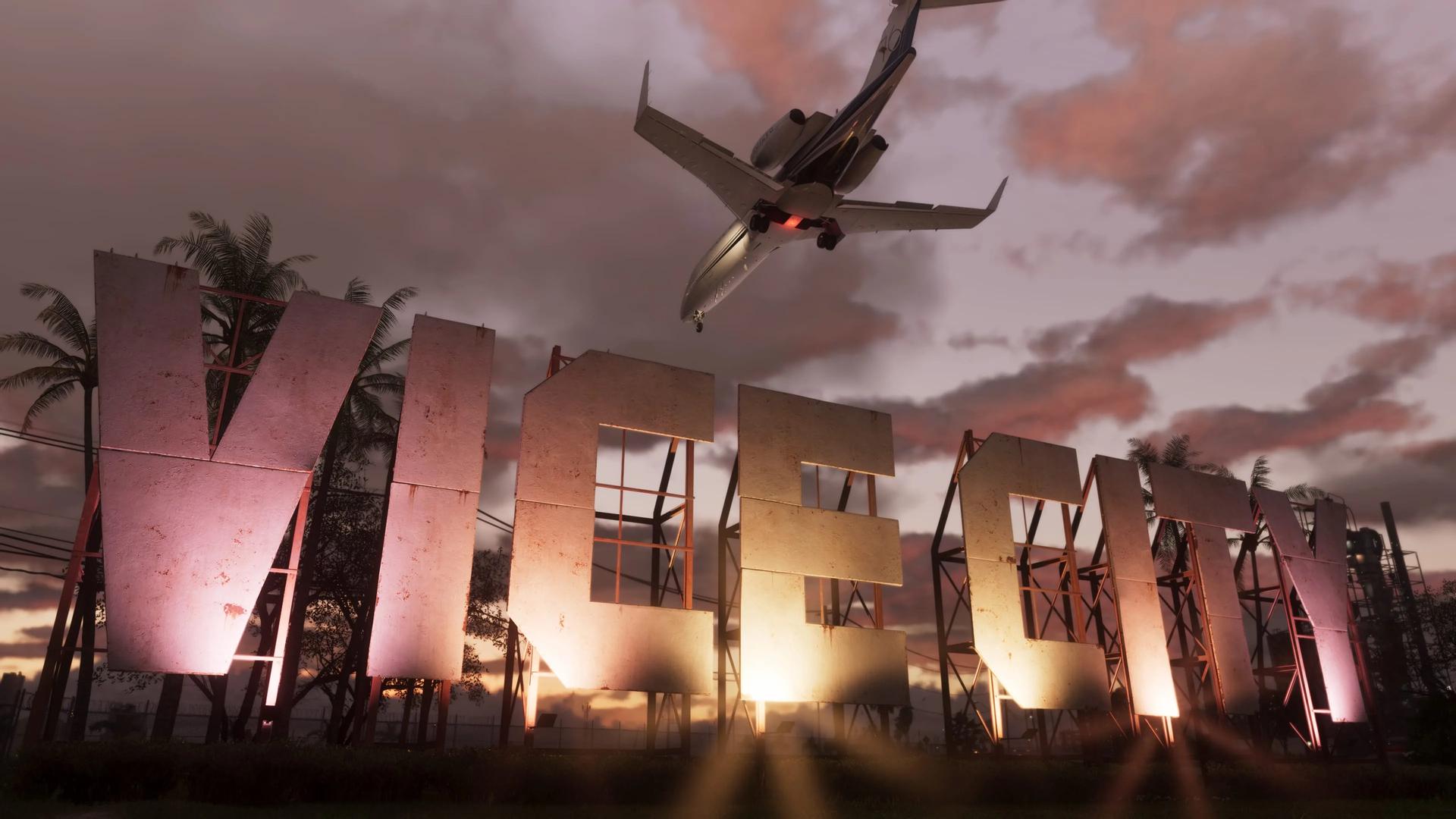
GTA VI's confirmed setting includes a modern HD-universe Vice City — the same coastal Florida-analog city that anchored the 2002 original Grand Theft Auto: Vice City, 40 in-fiction years later. The 1986 original and the 2026 HD-universe Vice City share geography and aesthetic DNA but are otherwise distinct cities. Below: the comparison.
Geographical continuity
Both Vice Cities sit on the same coastal-barrier-island geography:
- Eastern barrier island modelled on Miami Beach
- Mainland west of the bridges modelled on the actual city of Miami
- Causeways connecting the two
- Art-deco strip as the visual anchor
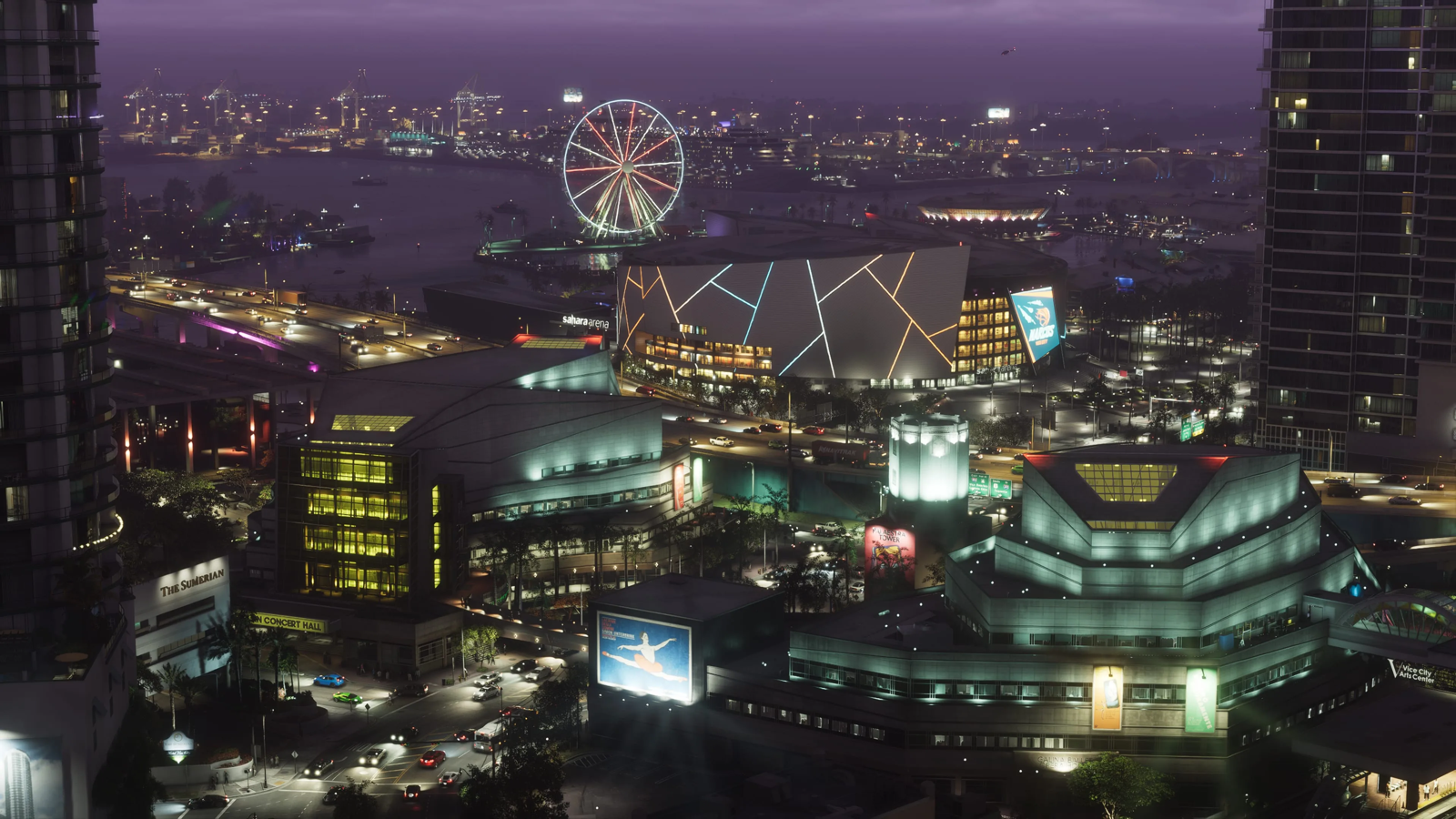
The new HD-universe map keeps that layout recognisably. Rockstar's official site names four places inside the new Vice City: Ocean Beach (the art-deco beachfront, which the 2002 game also had), Little Cuba, the Tisha-Wocka flea market and the VC Port. Names such as Vice Point and Starfish Island come from the 2002 map and from community reconstructions; Rockstar has not used them for GTA 6. Players who know the 2002 map will still spot the bay-and-barrier-island structure immediately. See the Vice City districts explainer for the confirmed-versus-fan-mapped split.
What changed in 40 years
Rockstar's official site names only four locations inside Vice City for GTA 6, so the district-by-district comparison is narrower than fan maps make it look:
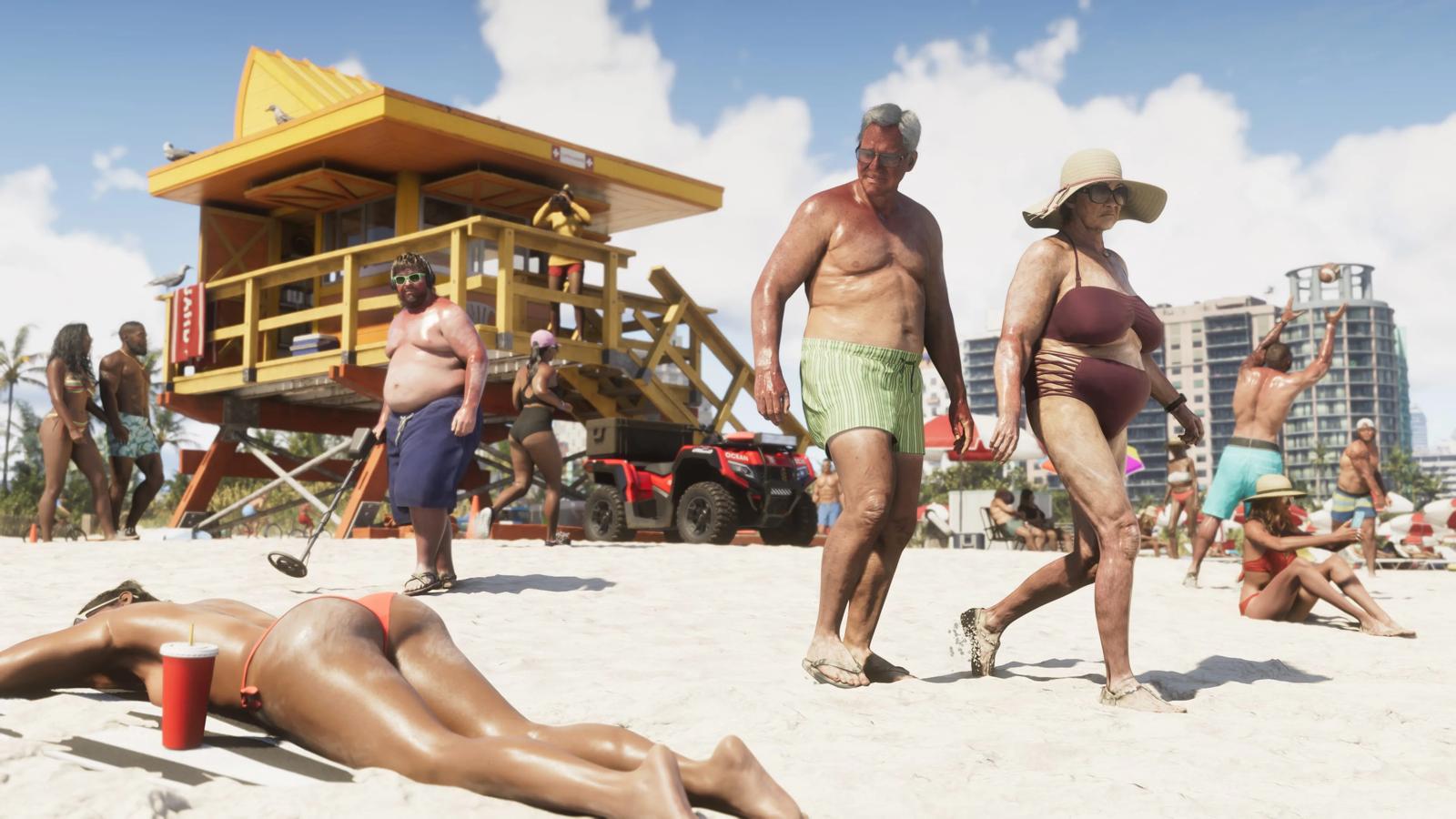
- Ocean Beach: still the art-deco strip. Rockstar's site describes it by its white sand and pastel art-deco hotels; the trailers show a denser, taller beachfront than the 2002 version
- Little Cuba: Rockstar's GTA 6 name for the Cuban neighborhood, described on the official site by its bustling panaderías. The 2002 game called its Cuban district Little Havana; the new name is Rockstar's, not a carry-over
- Little Haiti: not named by Rockstar for GTA 6. The 2002 game had one; the Haitian-American district on community maps of the new city is fan mapping, not an official location
- Tisha-Wocka flea market: new, with no 2002 equivalent. Rockstar describes it by its "bootleg brands"
- VC Port: Rockstar's name for the port district, the closest thing to the 2002 game's docks
- The skyline: significantly more verticality in the trailers; downtown has multiple new towers, though Rockstar has not named the downtown district
Vice Point, Starfish Island and the Vercetti Estate are 2002 locations. Rockstar has not said whether any of them exist in the new city, so the comparison stops there.
What stayed the same
The visual identity is preserved:
- Pastel-and-neon palette — still core to the city's look
- The art-deco hotel strip: still there. Rockstar's site describes Ocean Beach by its pastel art-deco hotels and bright white sands
- The boating culture — still central to the lifestyle
- The luxury-gangster aesthetic — the visual through-line that justifies returning to Vice City
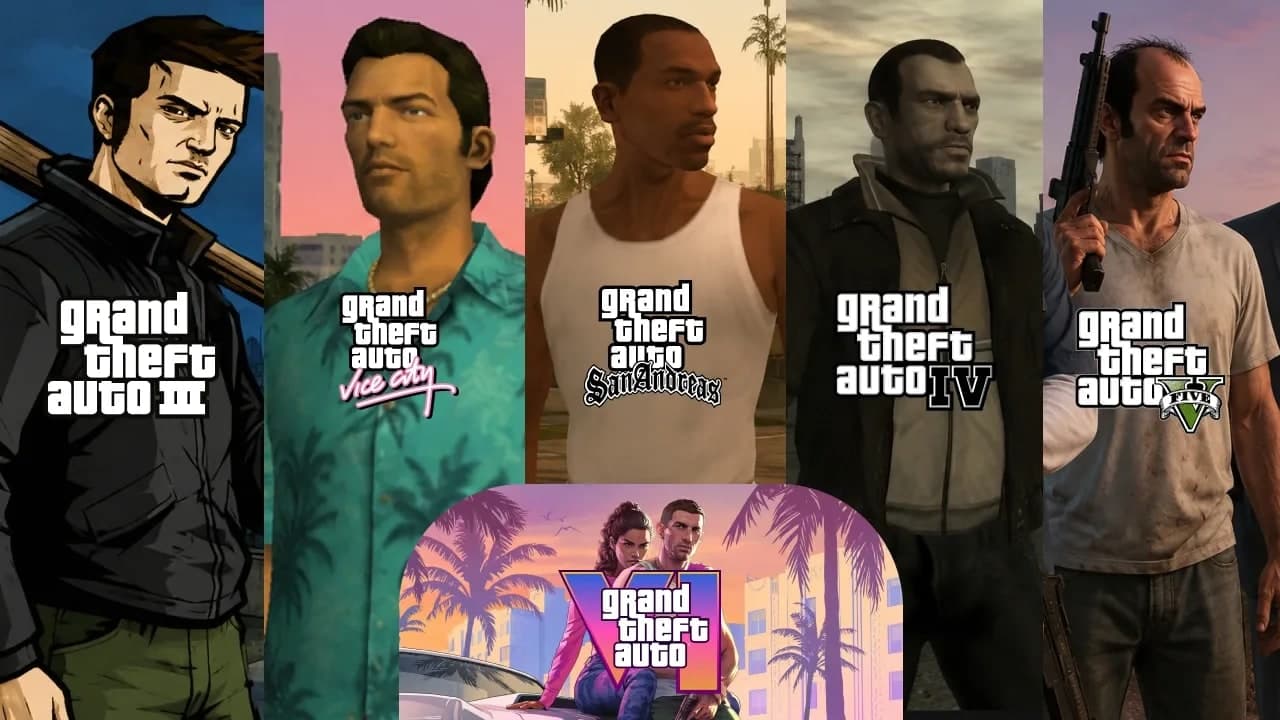
Lucia and Jason vs Tommy Vercetti
Tommy Vercetti's 1986 Vice City was about rebuilding an empire from nothing. Lucia and Jason's 2026 Vice City is about survival: Rockstar's synopsis has the pair "forced to rely on each other more than ever if they want to make it out alive", which inverts Tommy's crime-empire trajectory. (The Bonnie-and-Clyde label started as press shorthand; Rockstar's narrative chief Rupert Humphries later echoed it on the record, calling GTA VI "a Bonnie and Clyde-type narrative" in a Dazed interview on August 27, 2026. See the framing explainer.) The contrast is sharp:
- Tommy was an established mob figure who built his empire over months
- Lucia and Jason start at the bottom: Lucia fresh out of prison, Jason running product for a Keys smuggler. Rockstar's own synopsis has them land "in the middle of a criminal conspiracy stretching across the state of Leonida" after "an easy score goes wrong"
Tommy was triumphant; the early Lucia/Jason marketing leans heavier and more melancholic.
Ocean Beach in the new Vice City
Rockstar's official site names Ocean Beach, with its white sand and pastel art-deco hotels, as the beachfront strip of the new HD-universe Vice City; the "Vice Beach" label on community maps is not Rockstar's. The trailers use the beachfront as the social hub: nightlife, strip clubs, pool parties. The music-industry side of the cast (Real Dimez, Boobie Ike's Jack of Hearts strip club, Only Raw Records) belongs to Vice City too, though Rockstar has not said which district any of it sits in. In the footage so far, the beach is the most culturally dense part of the new map.
What's new in the 2026 map (beyond Vice City)
The HD-universe Vice City sits inside the larger state of Leonida, which includes:
- Leonida Keys — the islands chain south
- Port Gellhorn: Leonida's "forgotten coast", a faded vacation town of cheap motels, shut-down attractions and empty strip malls (despite the name, Rockstar's description is of a beach town; nothing official calls it a shipping port)
- Mount Kalaga National Park — rural / wildlife
- The Everglades / Grassrivers — wetland / swamp
- Ambrosia: blue-collar inland heartland with a sugar refinery and biker gangs
Rockstar has published no size figure for the new map and no comparison with the 2002 game. Its only official comparison, given to The New York Times on August 27, 2026, is that the playable area is three times that of Red Dead Redemption 2; see the map size explainer. Vice City is one region within Leonida, not the entire game world.
Returning characters
Rockstar has not named a single returning character from an earlier GTA, and neither trailer, the Extended Look nor the official site names anyone from the 1986 cast. The names that circulate (Phil Cassidy running a gun business in the new Vice City, the Vance brothers' legacy, a Forelli or Leone Mafia presence) do not trace to any Rockstar material. The closest thing to an official callback so far is the Vintage Vice City Pack pre-order bonus (a classic '55 Vapid Stanier with the Shore Court garage near Ocean Beach, retro outfits and hairstyles for both leads, and a weapon pattern), which is bonus content, not a returning character.
Vice City Stories continuity
Vice City Stories (2006) is set in 1984 (two years before the 1986 original). Its events are canonical in the 3D Universe but not the HD Universe. Rockstar has said nothing about GTA 6's relationship to VCS. By the series' established split between the 3D-era and HD-era games, the new Vice City is a fresh continuity, but that is fan canon, not a Rockstar statement.
Should you replay the original first?
Yes, briefly. The 2002 original is short (~30 hours for the campaign) and the visual / tonal continuity with 2026 GTA 6 is striking. Tommy's Vice City informs Lucia and Jason's; knowing the original makes any callbacks Rockstar does include land harder.
For the original Vice City retrospective, see Vice City's 1986 Meets GTA 6's Leonida. For the broader 2026 map, see The Leonida Map: Every District We Can Identify.
Update log
- September 12, 2026: Replaced the 2002-era and fan-map district names (Vice Point, Starfish Island, Little Haiti, Little Havana, "Vice Beach") with the four Vice City locations Rockstar has named for GTA 6 (Ocean Beach, Little Cuba, the Tisha-Wocka flea market, the VC Port); removed the returning-characters claims, which do not trace to any Rockstar source; corrected Port Gellhorn and Ambrosia to Rockstar's descriptions; replaced the unsourced "2-3x larger" map figure with Rockstar's Red Dead Redemption 2 comparison; matched the Lucia and Jason setup to Rockstar's synopsis. Same day, second pass: removed the invented "heritage district" label for the art-deco strip; attributed the Bonnie-and-Clyde framing correctly (press shorthand, later echoed by Rockstar's Rupert Humphries in Dazed); scoped the four-location count to Rockstar's official site; softened the Port Gellhorn, returning-cast and Vice City Stories wording to what Rockstar has actually said; corrected the Vintage Vice City Pack contents to include the Shore Court garage.